Average order value (AOV), also called the average check, is your sales for a period divided by the number of orders in that period. A café that sells AED 52,500 from 750 orders in a week has an average order value of AED 70. You raise it with the menu: put your best dishes where guests look first, give them photos, offer combos, add-ons and sides with a clear extra price, prompt drinks and desserts, build a price ladder with sensible sizes, and run short offers. Then you measure the number before and after the change, on the same days of the week. This guide covers the calculation, each menu lever, upselling by staff and by the menu itself, how to measure it, and what not to do. It is general information, not legal or tax advice.
What is average order value and how do you calculate it?
Sales = number of orders x average order value. More orders usually costs money (marketing, delivery commissions, staff). A bigger order often costs only a better menu.
The formula: average order value = sales ÷ number of orders.
Many restaurants also track spend per guest: sales ÷ guests (covers). A table of four is one order but four covers.
Worked example in AED
Take one week of sales from your POS or ordering system.
| Line | Value |
|---|---|
| Sales for the week (menu prices, VAT included) | AED 52,500 |
| Orders (checks) | 750 |
| Guests (covers) | 1,500 |
| Items sold | 1,950 |
| Average order value | 52,500 ÷ 750 = AED 70.00 |
| Average spend per guest | 52,500 ÷ 1,500 = AED 35.00 |
| Items per order | 1,950 ÷ 750 = 2.6 |
Pick one basis and keep it. If your report shows sales including 5% VAT, compare VAT-included numbers with VAT-included numbers. To strip VAT from a UAE figure, divide by 1.05: AED 70.00 including VAT is AED 66.67 net. For margin and food cost, always work on the net price; see food cost and menu engineering for Gulf restaurants.
Why a small increase matters
At 750 orders a week, adding AED 5 to the average order adds AED 3,750 a week, or about AED 16,250 a month (3,750 x 52 ÷ 12), with no new guests. Most of that comes from drinks, sides and desserts, which usually carry a better margin than mains.
Which menu levers raise the average order?
Each lever changes either how many items go into an order or which version of an item the guest picks.
| Lever | What it changes | Effort |
|---|---|---|
| Dish placement and sections | Which dishes guests see first | Low |
| Photos on hero dishes | Which dishes guests open and order | Low to medium |
| Combos and set menus | Items per order | Medium |
| Add-ons and sides | Items per order, price per item | Low |
| Drinks and dessert prompts | Items per order | Low |
| Portion and price ladder | Price per item | Medium |
| Offers and limited-time items | Items per order, visit frequency | Medium |
Dish placement and sections
Guests read a digital menu top to bottom and rarely scroll to the end. Put the sections in eating order (starters, mains, sides, desserts, drinks), but put a short "recommended" or "chef's picks" strip at the very top with four to eight dishes you want to sell more of. Within each section, put the dishes with the best margin first, not the cheapest. Which dishes those are comes from your menu engineering numbers, not from taste.
Photos on hero dishes
Photograph the dishes you want to sell more of first: your signature main, a sharing platter, a dessert, a premium drink. Shoot the real portion in daylight on a plain background. A dark or blurry photo sells worse than none.
Combos and set menus
A combo sells two or three items as one line at a small saving: main + side + drink, or a business lunch.
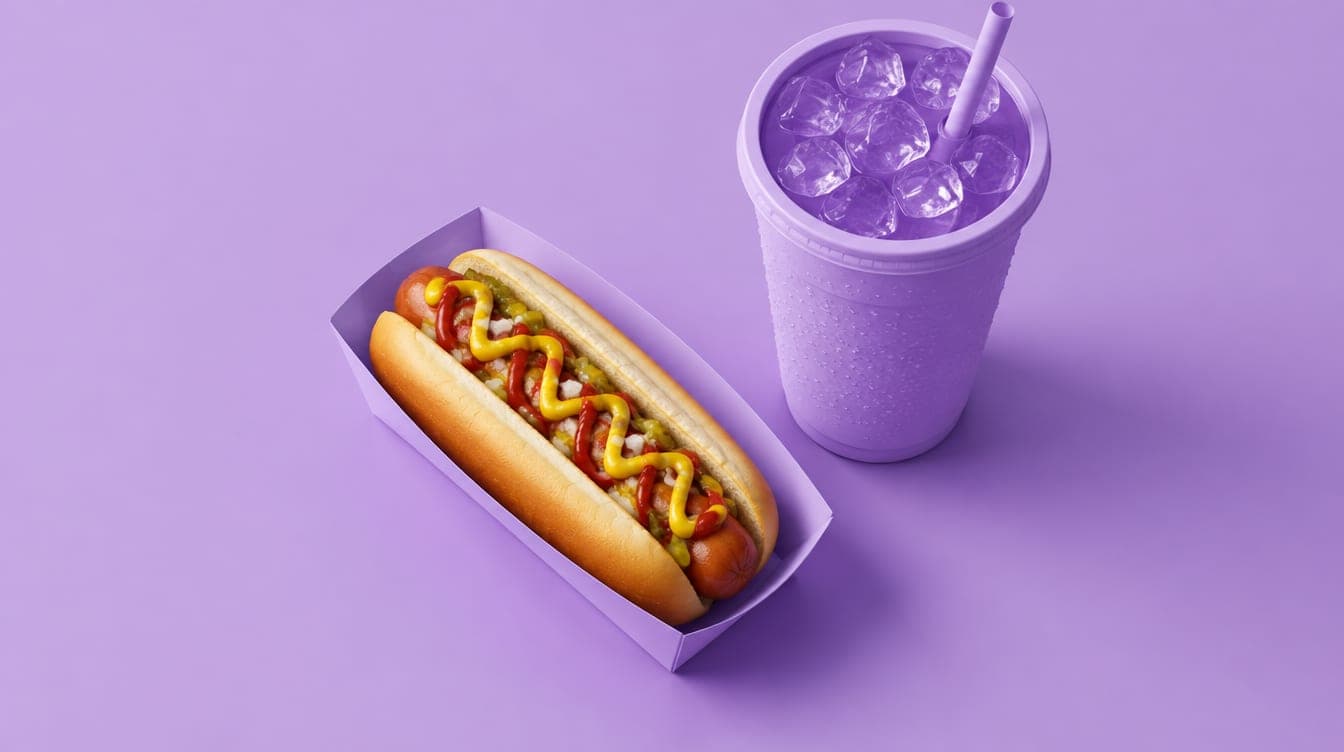
Example: a burger at AED 48, fries at AED 16 and a soft drink at AED 12 add up to AED 76. A combo at AED 68 saves the guest AED 8. If a guest who would have ordered only the burger takes the combo instead, that order goes from AED 48 to AED 68. Check the combo's margin against the single items before you print it.
Add-ons and sides
Add-ons are the easiest lever because the guest has already decided to order. Offer them at the dish: extra protein, a second sauce, cheese, a larger size, oat milk, an extra shot. Show the extra price next to each option ("Add grilled halloumi, + AED 9") so nobody is surprised at the bill.
Do the arithmetic on attach rate, which is the share of orders that take the add-on. If 20% of 750 weekly orders add a AED 12 side, that is 150 x 12 = AED 1,800 a week, or AED 2.40 on the average order.
Keep each group to three to six choices.
Drinks and dessert prompts
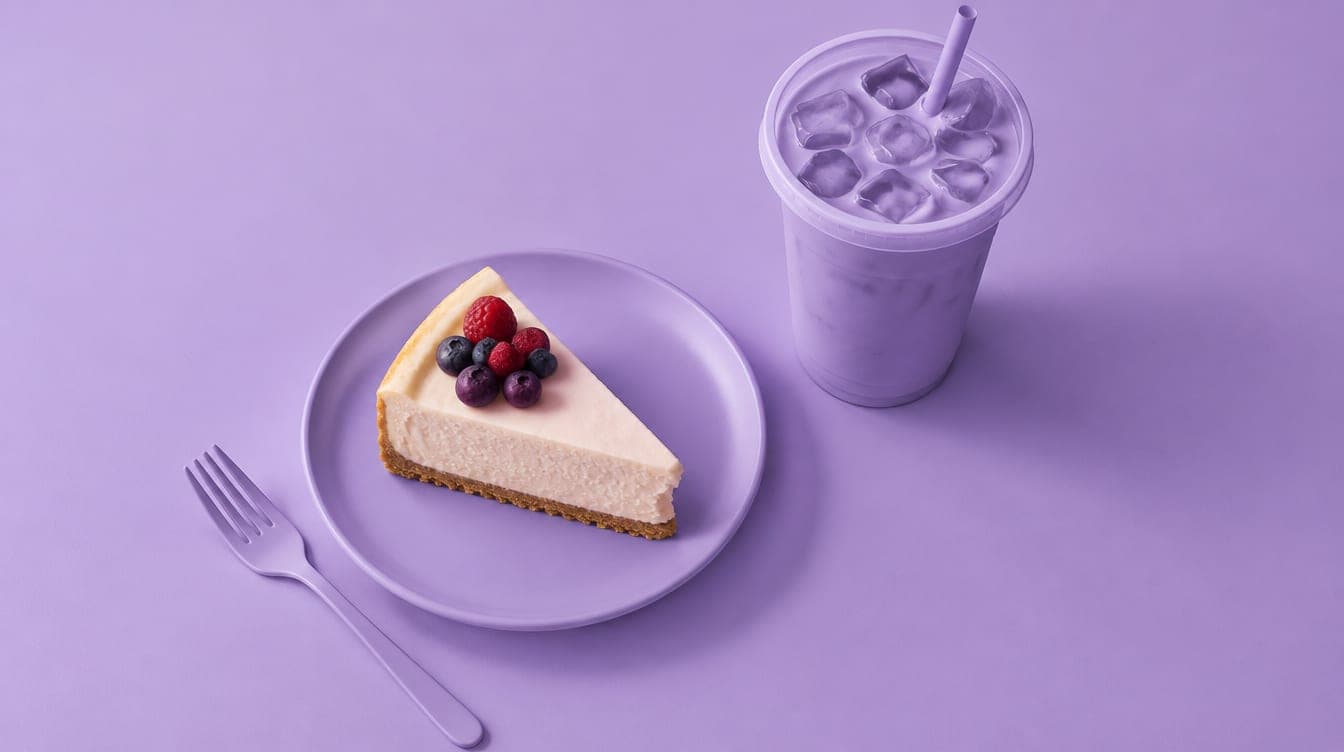
Guests often forget drinks and desserts, especially on a phone. Keep both sections easy to reach, not at the bottom behind ten others. Pair a drink with each main in the description ("Goes well with fresh mint lemonade"). Put one dessert in the top picks. In a view-only setup, the waiter's dessert question at the right moment does the same job.
Portion and price ladder
A price ladder offers the same item at two or three sizes or levels: regular and large coffee, half and full grill platter, standard and premium steak cut. Space the steps so the next size up looks like a good deal: a large that costs a little more than the regular but is clearly bigger.
Example: regular coffee AED 16, large AED 19. If a third of coffee orders move to large, the average coffee rises by AED 1.
Decoy pricing
A decoy is an option placed on the menu mainly to make another option look better. The usual case is a ladder of three: a small at AED 22, a medium at AED 34 and a large at AED 36. Few guests buy the medium, but it makes the large look like the obvious choice. Use it lightly; if every section has an obvious decoy, guests notice.
Offers and limited-time items
Offers raise the average order when they push guests to add something, not when they only cut the price of what they would have bought anyway. "Free dessert with two mains" pushes a second main. "20% off everything" usually lowers the average order. A limited-time dish for two to four weeks gives regulars something new and gives you a clean test. Show the normal price struck through next to the offer price.
How should staff upsell, and what changes with table ordering?
How you upsell depends on who takes the order.
| View-only menu (waiter takes the order) | Table ordering (guest orders from the phone) | |
|---|---|---|
| Who suggests | The waiter | The menu itself |
| Main tools | A short script, a daily special, a dessert question | Top picks, photos, add-on groups, combos, offers |
| Best moment | When taking the main order, and when clearing mains | At the dish (add-ons) and before checkout (drinks, desserts) |
| Risk | Pushy scripts annoy guests | A menu with no prompts leaves money on the table |
Waiter scripts for a view-only menu
Give staff two or three lines that offer a specific item, not a yes/no question about "anything else".
- When taking the main order: "Would you like to add the grilled halloumi to that salad? It's AED 9."
- With drinks: "We have fresh mint lemonade or our iced Spanish latte today."
- When clearing mains: "Our kunafa cheesecake is the one people come back for. Shall I bring one to share?"
Name one dessert and one drink a day, let staff taste them, and ask the waiter with the highest average check to show the others what they say.
Prompts in table ordering
Here the menu does the upselling: add-on groups on every dish where an extra makes sense, a short list of picks at the top, photos on hero dishes, drinks and desserts easy to find.
From the platform: In Kartee you build the menu in sections and drag sections and dishes into the order you want. Each dish takes up to 3 photos. Switch on "Picks for you" on a dish to feature it in a strip at the top of the menu. "Choices and add-ons" lets you add groups such as Size, Sauce or Extras, mark each group required or optional, set how many choices a guest can pick and give each option an extra price, which is added to the dish. Discounts take a percent or an amount off the whole menu, one section or one dish, with optional start and end dates, and the menu shows the old price struck through. "Limit portions" sells a set number, like 20 cheesecakes today, then marks the dish sold out. With table ordering on, the Overview shows orders, average order and items per order for any date range, compared with the period before; guest analytics on Growth add dish views, sales per table and a tip when dishes with photos are opened more than dishes without. Kartee does not show automatic "add a drink?" pop-ups at checkout, and guests pay at the table (no online payment). In view-only mode Kartee records no orders, so take your average order from your POS. Starter is $12/month and Growth $29/month, both with a 14-day free trial. Details at kartee.tech.
How do you measure whether a menu change worked?
Change one thing at a time and compare like with like.
- Pick the change. For example: add a drink-and-dessert pairing line to every main, or launch a lunch combo.
- Take a baseline. Record average order value, items per order and orders for the two to four weeks before the change.
- Run the change for the same length of time. Two weeks is the minimum; four is better.
- Compare the same days. Weekends and weekdays behave differently. Compare Monday to Thursday with Monday to Thursday, and Friday to Sunday with Friday to Sunday. Leave out weeks with a public holiday, Ramadan or a big event, or compare them only with the same period last year.
- Check the order count too. A higher average with far fewer orders can mean lower sales overall.
Example: two weeks before and after a dessert prompt
| Before (2 weeks) | After (2 weeks) | Change | |
|---|---|---|---|
| Orders | 1,480 | 1,450 | -30 |
| Sales (VAT included) | AED 103,600 | AED 108,750 | +AED 5,150 |
| Average order value | AED 70.00 | AED 75.00 | +AED 5.00 |
| Items per order | 2.6 | 2.9 | +0.3 |
Orders fell slightly, but sales rose by AED 5,150 because each order was bigger. That is a change worth keeping. If sales had fallen, roll it back.
What should you not do to raise the average order?
Hidden charges
In the UAE, displayed prices for taxable supplies must include VAT if you are VAT-registered, and that includes menus. Printing VAT-exclusive prices and adding 5% on the bill does not meet the rule, and the fine is reported at AED 5,000 per violation. The rule and its exceptions are covered in how to set up a QR code menu in the UAE. The same goes for service charges and municipality fees: whether you can add one depends on your licence and emirate, so only add a charge your licensing authority allows and show it on the menu in plain words.
Other mistakes
- Pre-ticked add-ons. An extra the guest did not choose is a complaint, not an upsell.
- Options with no price shown. "Add avocado" with the price only on the bill feels like a trick.
- Discounts with no end date. A permanent offer becomes the new price.
- Raising average order on low-margin items. A bigger order of dishes that lose money does not help. Check margins first.
Frequently asked questions
What is a good average order value for a restaurant in the UAE?
There is no single number: a coffee shop and a steakhouse have very different checks. Compare with your own past weeks, on the same days.
Should average order value include VAT?
Either works if you are consistent. Reports often show sales including VAT because that is what guests pay. For margin decisions, convert to net: divide a UAE VAT-inclusive figure by 1.05.
Is average order value the same as average spend per guest?
No. Average order value divides sales by orders; spend per guest divides sales by guests. A table of four with a AED 280 bill has an average order of AED 280 and spend per guest of AED 70.
How long should I test a menu change?
At least two weeks, ideally four, compared with the same number of weeks before the change. Keep the days of the week matched and avoid holiday weeks.
Next steps
Pull last month's sales and order count, work out your average order value and items per order, pick one lever from this guide, run it for two to four weeks, and compare the same days. Then pick the next one.
Related reading:
- Food cost and menu engineering for Gulf restaurants: find which dishes make money before you push them.
- How to set up a QR code menu in the UAE: view-only vs table ordering, VAT-inclusive prices and service charges.
- How to get more Google reviews for your restaurant in Dubai: bring in more guests to go with the bigger orders.
Build a menu that sells more per order with Kartee: sections, photos, picks, add-ons and offers, with average order on your Overview when table ordering is on. 14-day free trial, from $12/month. Start your free trial.